Justice SK Kaul Clarifies Remarks on Ex-CJI Chandrachud, Highlights Judicial Independence and Collegium Nuance
Retired Supreme Court judge Justice Sanjay Kishan Kaul clarifies his perspective on former Chief Justice D.Y. Chandrachud, drawing a clear line between systemic critique and personal evaluation.

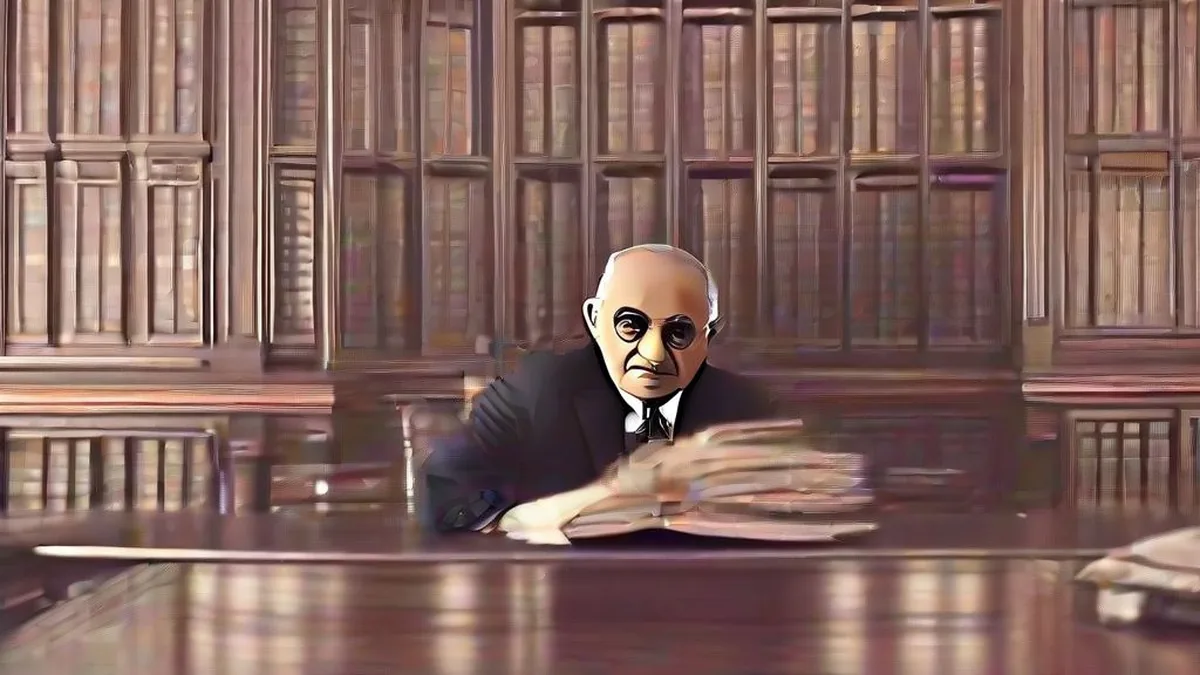
Justice Kaul, who retired from the apex court in December 2023, clarified that his commentary on judicial administration was never intended as an individual indictment of Justice Chandrachud, but rather as an objective assessment of systemic decision-making processes, including collegium deliberations and listing priorities.
Drawing the Line Between Person and Process
Addressing misinterpretations of his previous statements, Justice Kaul emphasized that healthy debate over judicial governance is essential for maintaining transparency in the higher judiciary. He underscored that constitutional institutions depend heavily on collegiate harmony, robust deliberations, and strict adherence to administrative conventions.
"There is a distinct difference between critiquing institutional mechanisms and reflecting on an individual's judicial stewardship," Justice Kaul noted, clarifying that divergent views within the bench reflect intellectual diversity rather than internal acrimony.
Key areas addressed in his reflections include:
* Collegium Dynamics: Emphasizing the collective responsibility of the Collegium in recommending judicial appointments and elevation, cautioning against assigning unilateral success or failure to a single sitting Chief Justice. * Case Allocation and Registry Management: Acknowledging persistent challenges surrounding pendency and case listing, which require long-term structural reforms rather than ad-hoc administrative shifts. * Institutional Continuity: Urging that successive leadership tenures in the Supreme Court build upon precedent while maintaining institutional autonomy.
Collegium Functioning and Administrative Balance
During his time on the bench, Justice Kaul served as a senior member of the Supreme Court Collegium alongside Justice Chandrachud. The Collegium regularly navigated complex negotiations with the Union Law Ministry over stalled judicial appointments and the reiteration of high-court recommendations.
Justice Kaul reiterated that judicial appointments require mutual deference between branches of government while maintaining the judiciary's non-negotiable primacy. Observers noted that his recent clarification brings constructive closure to weeks of speculation over perceived friction among the senior-most former judges of the apex court.
Strengthening Institutional Credibility
Legal scholars and court observers view Justice Kaul's intervention as an attempt to preserve public faith in the Supreme Court. The judiciary has increasingly found its administrative workings subject to public scrutiny, from live-streamed constitution bench hearings to robust social media analysis.
By distinguishing systemic institutional evaluation from personal criticism, Justice Kaul reaffirmed that internal institutional accountability remains vital for safeguarding the rule of law and elevating standards of constitutional governance.
About Gaurav Sen
Senior Editorial Director & Lead Geopolitical Analyst
Senior Editorial Director and investigative correspondent covering national affairs, international relations, defense, and economic policy for Live News 365.