Tamilisai Soundararajan Criticizes Tamil Nadu Administration Over Court-Sanctioned RSS Route Marches
Senior BJP leader Tamilisai Soundararajan has rebuked the Tamil Nadu government for allegedly impeding court-cleared RSS route marches across the state.

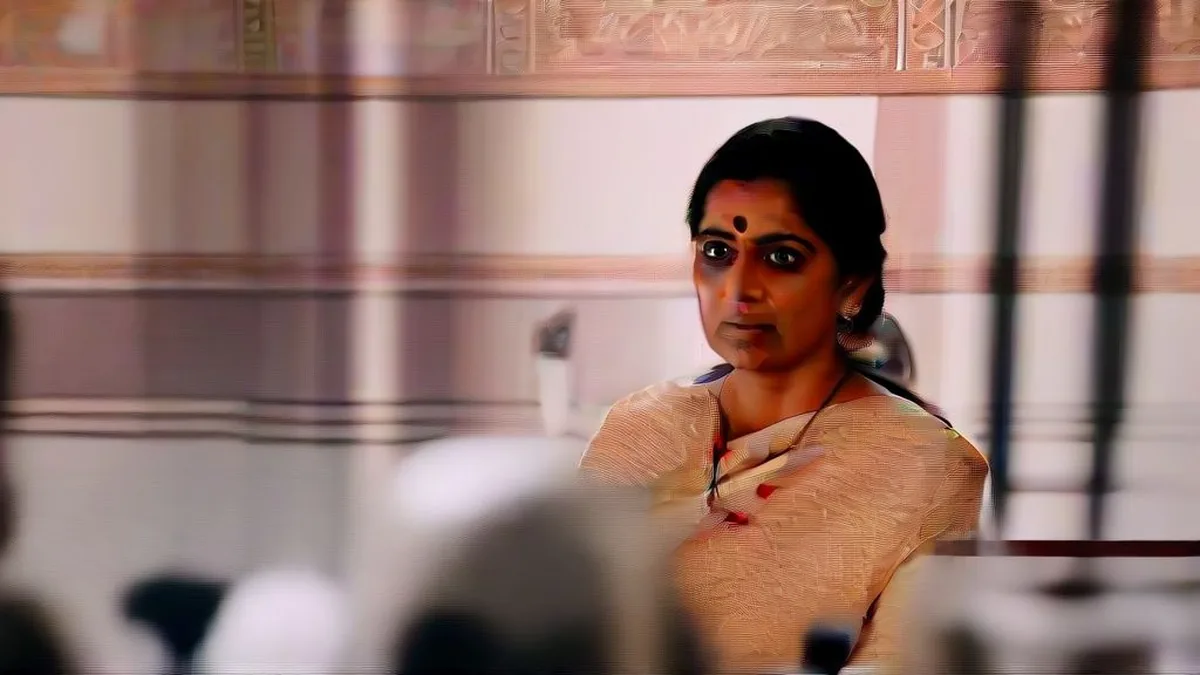
Speaking to members of the press, Soundararajan emphasized that democratic institutions and legal processes must be respected by the ruling Dravida Munnetra Kazhagam (DMK) administration. She underscored that peaceful processions permitted under constitutional rights and vetted by legal authorities should not face persistent resistance from local law enforcement.
Dispute Over Procession Approvals
The controversy revolves around the annual route marches organized by the RSS, which have repeatedly required judicial intervention in Tamil Nadu due to state police denying permission citing law-and-order sensitivities. Both the Madras High Court and the Supreme Court have previously ruled in favor of granting permission for peaceful assemblies under defined regulatory conditions.
Key points highlighted during the briefing include:
* Judicial Precedence: Courts have consistently reiterated the constitutional right to freedom of assembly, directing authorities to formulate reasonable safety guidelines rather than blanket rejections. * Administrative Friction: BJP leaders claim administrative delays and restrictive conditions are being imposed arbitrarily, leading to unnecessary legal friction. * Democratic Parity: The opposition argued that political neutrality demands uniform application of assembly rights across ideological spectrums.
Political Ramifications in Tamil Nadu
Soundararajan contended that the state government's persistent opposition to the events reflects a partisan stance rather than genuine security assessments. She maintained that the organizers have consistently complied with regulatory and routing directives issued by the courts.
The DMK-led administration has previously maintained that police decisions regarding public rallies are rooted strictly in preventive policing, intelligence inputs, and the maintenance of communal harmony. State officials have consistently dismissed allegations of political interference, emphasizing that safety considerations guide traffic and assembly permits across sensitive jurisdictions.
As public gatherings proceed under stringent judicial oversight, the political friction between the ruling dispensation and opposition figures highlights broader debates over the balance between civil liberties, administrative discretion, and law enforcement protocols.
About Gaurav Sen
Senior Editorial Director & Lead Geopolitical Analyst
Senior Editorial Director and investigative correspondent covering national affairs, international relations, defense, and economic policy for Live News 365.