From Smog to Solutions: How India Is Turning Agricultural Stubble Into High-Value Green Bio-Industries
Innovative startups and policy shifts across northern India are transforming hazardous paddy residue into clean fuel, packaging, and commercial mushroom substrate.

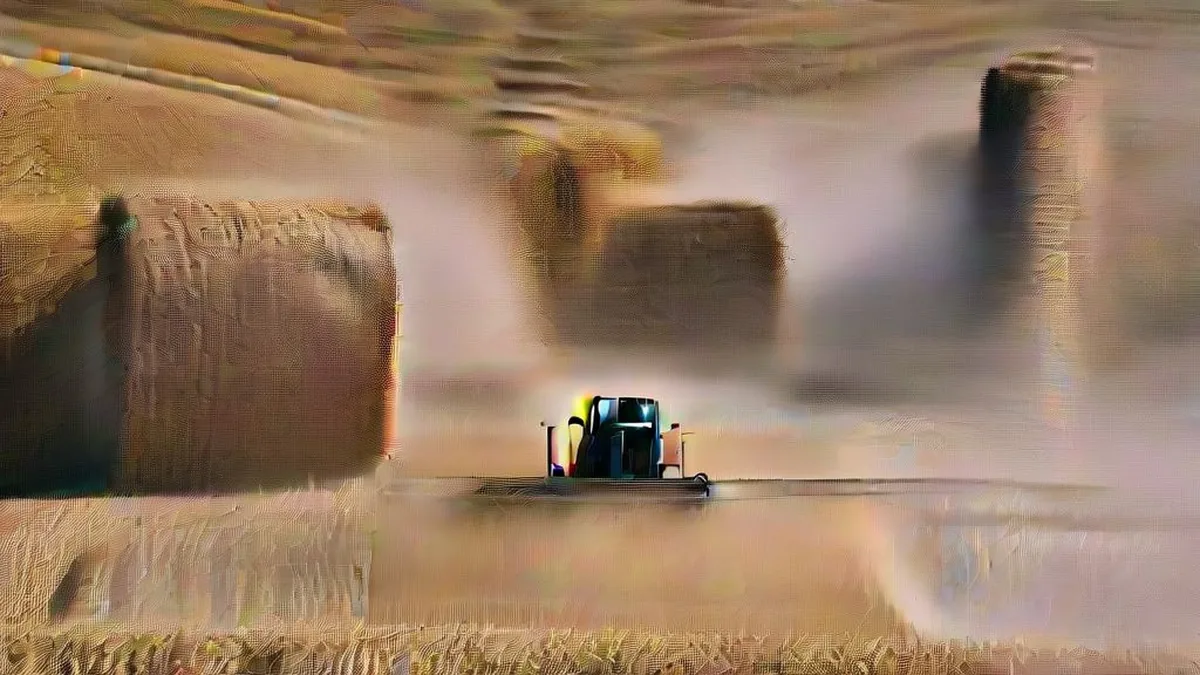
From compressed biogas (CBG) and industrial pellets to eco-friendly packaging and mushroom cultivation, agricultural stubble is rapidly becoming the raw feedstock for a burgeoning decentralized bio-economy.
The Scale of the Residue Dilemma
India produces an estimated 500 million tonnes of crop residue annually, with paddy straw accounting for nearly a quarter of that volume. In the intensive rice-wheat cropping systems of Punjab, Haryana, and western Uttar Pradesh, the window between harvesting paddy and sowing winter wheat spans barely 15 to 20 days.
Lacking affordable machinery and rapid removal logistics, farmers have traditionally turned to open-field burning as the fastest, cheapest method to clear fields. Beyond the severe public health emergencies triggered in downstream cities like Delhi, open burning strips soil of critical nutrients, including nitrogen, phosphorus, potassium, and beneficial organic carbon.
Bio-Energy: Pellets, Bio-Coal, and Compressed Biogas
Among the most commercially viable interventions is the conversion of paddy straw into solid and gaseous fuels.
Under recent government directives, thermal power utilities are mandated to co-fire biomass pellets alongside conventional coal, creating an immediate, high-volume market for straw-derived biomass. In addition:
* Biomass Pelleting Units: Dozens of processing plants have emerged across agrarian belts, compacting bulky straw into dense fuel pellets for industrial boilers and power plants. * Compressed Biogas (CBG) Infrastructure: Facilities operating under the Sustainable Alternative Towards Affordable Transportation (SATAT) initiative utilize anaerobic digestion to convert fermented stubble into pipeline-grade biomethane, producing nutrient-rich organic bio-manure as an industrial co-product. * 2G Ethanol Refineries: Advanced second-generation bio-refineries are deploying enzymatic hydrolysis to unlock cellulose sugars from recalcitrant rice straw, synthesizing ethanol for national fuel-blending programs.
Mushroom Cultivation and Substrate Innovation
Beyond energy generation, biological valorization presents high-margin potential for smallholders. Agricultural scientists have demonstrated that rice straw serves as an ideal growing medium for button, oyster, and paddy straw mushrooms (Volvariella volvacea).
Mushroom farming requires minimal land footprint while providing rapid harvest turnaround times. Once the fruiting cycle concludes, the spent mushroom substrate (SMS) functions as an exceptional organic soil conditioner and compost, completing a closed-loop circular nutrient cycle without releasing atmospheric carbon.
Sustainable Packaging and Bio-Materials
A cluster of green-tech enterprises is deploying mycelium-based technologies and thermomechanical pulp processing to transform straw fibers into biodegradable packaging. These products provide direct, compostable alternatives to single-use expanded polystyrene (thermocol) and synthetic plastics.
Furthermore, rural micro-enterprises are experimenting with straw-based particle boards and acoustic insulation panels for the construction sector, unlocking substantial value additions before the residue ever leaves rural production clusters.
Overcoming Supply Chain and Economic Bottlenecks
While technological pathways are well established, scalability hinges on logistics. Paddy straw is voluminous, low-density, and geographically dispersed. Consolidating, baling, storing, and transporting millions of metric tons within a three-week window requires substantial supply-chain capital.
Experts stress that for the bio-economy to permanently replace open burning, ex-situ infrastructure must guarantee farmers a fair gate price that offsets harvesting and labor costs. As private capital and public incentives converge on rural biomass aggregation centers, northern India's seasonal smoke may gradually give way to a resilient, value-generating green supply chain.
About Gaurav Sen
Senior Editorial Director & Lead Geopolitical Analyst
Senior Editorial Director and investigative correspondent covering national affairs, international relations, defense, and economic policy for Live News 365.
Related Dispatches

Delhi Winter Pollution: Did GRAP Fail, or Did It Avert a Catastrophic Air Emergency?

Nepal Receives $20 Million UN Relief Aid After Deadly Floods, Covering Under 1% of Massive Recovery Needs