Sudan Military Drone Strike Kills Over 100 at Busy Market, Scores Injured
A devastating drone strike targeting a crowded marketplace in Sudan has killed more than 100 civilians and wounded at least 113 others, local emergency responders report.

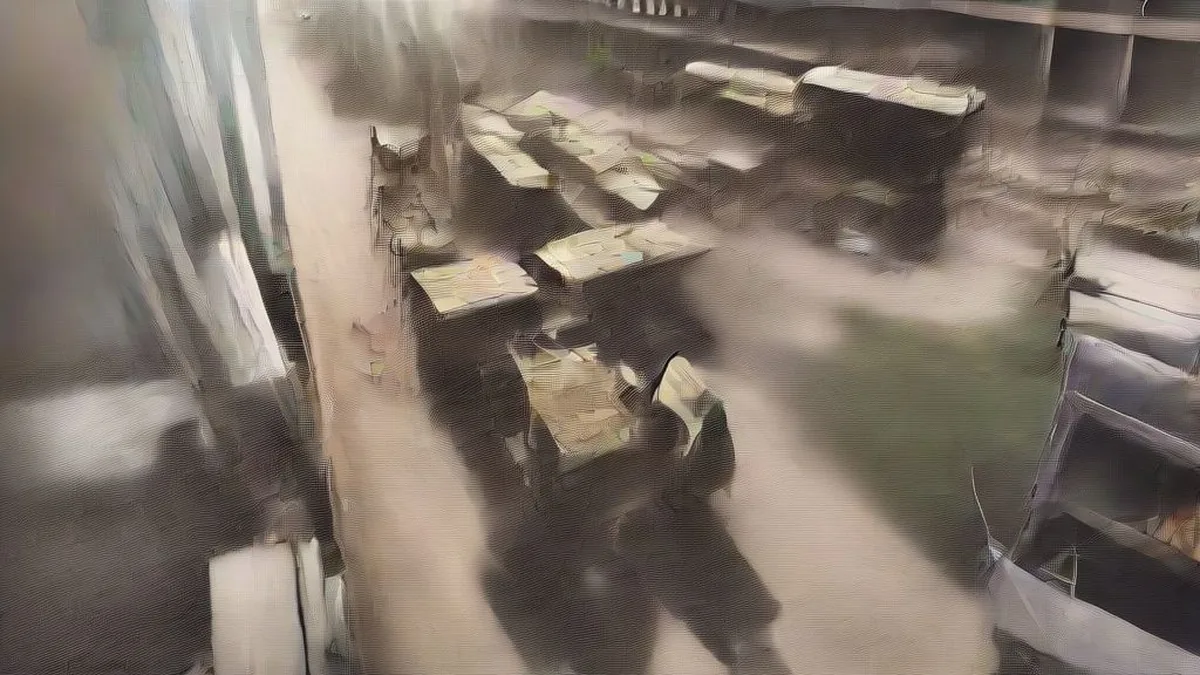
The attack unfolded during peak morning trading hours when civilians, vendors, and displaced families had gathered in the commercial hub. Eyewitnesses described immediate panic as munitions ripped through makeshift stalls and open-air vendor stands, triggering secondary fires and leaving surrounding residential quarters enveloped in thick plumes of smoke.
Overwhelmed Medical Facilities
Local hospitals and makeshift emergency response clinics were rapidly overwhelmed by the sheer volume of casualties. Volunteer medical teams reported severe shortages of critical supplies, including blood bags, anesthesia, surgical dressing kits, and clean water.
"The triage areas were saturated within minutes," said an emergency responder operating near the site. "Ambulances and civilian vehicles transported severely injured patients continuously, many with complex blast wounds and shrapnel trauma. The fatality count rose rapidly because critical cases could not receive immediate surgical interventions."
Local volunteer groups and community committees coordinated rescue efforts, digging through rubble to pull survivors and the deceased from collapsed stalls and damaged storefronts.
Escalating Urban Warfare
The deadly strike marks one of the bloodiest single incidents in recent months amid the protracted war between the Sudanese Armed Forces (SAF) and the paramilitary Rapid Support Forces (RSF). Since clashes erupted in April 2023, both factions have increasingly relied on heavy artillery, airstrikes, and unmanned aerial combat vehicles in densely populated urban and suburban zones.
Humanitarian watchdogs and international human rights monitors have repeatedly warned that the deployment of explosive weapons in populated areas violates international humanitarian law, routinely resulting in disproportionate civilian harm.
Key ongoing challenges across the conflict zone include: - Systemic Collapse of Healthcare: Over 70 percent of health facilities in conflict-affected regions are non-operational or severely impaired. - Humanitarian Access Blockades: Aid convoys face bureaucratic hurdles, active frontline fighting, and supply looting. - Impending Famine: Widespread displacement and market destruction have pushed millions to the brink of acute starvation.
Deepening Regional Crisis
The ongoing conflict has precipitated one of the world's largest displacement crises, forcing more than 10 million people from their homes and driving hundreds of thousands across international borders into Chad, South Sudan, and Egypt.
Despite repeated diplomatic interventions by regional bodies and international mediators, formal ceasefires have collapsed or failed to hold. With infrastructure collapsing and critical supply chains cut, the sustained use of aerial bombardments in civilian centers continues to exact a devastating toll on innocent populations.
About Gaurav Sen
Senior Editorial Director & Lead Geopolitical Analyst
Senior Editorial Director and investigative correspondent covering national affairs, international relations, defense, and economic policy for Live News 365.
Related Dispatches

US Military Expenditures Linked to Regional Conflict and Deterring Iran Cross $47 Billion, Pentagon Data Indicates

Baloch Liberation Front Claims 80 Pakistani Security Personnel Killed in Coordinated 'Operation Almas'